Many people worry about Why Is My Phone Not Charging? Is your phone not charging when you plug it in? This problem can happen on both iPhone and Android phones. Sometimes, the cause is faulty cable, a damaged charger, a dirty charging port or a problem with the power source. In other cases, the battery, software or internal hardware may be responsible.
The good news is that you can check several common causes at home before visiting a repair shop. In this guide, you will learn 12 simple and easy ways to troubleshoot a phone that is not charging.
Safety first: If your phone has a swollen battery, smells unusual, becomes extremely hot or shows signs of serious damage, disconnect it from power if it is safe to do so.
Do not continue charging it. Seek help from an authorized repair service.
Table of Contents
1.Check the Charger
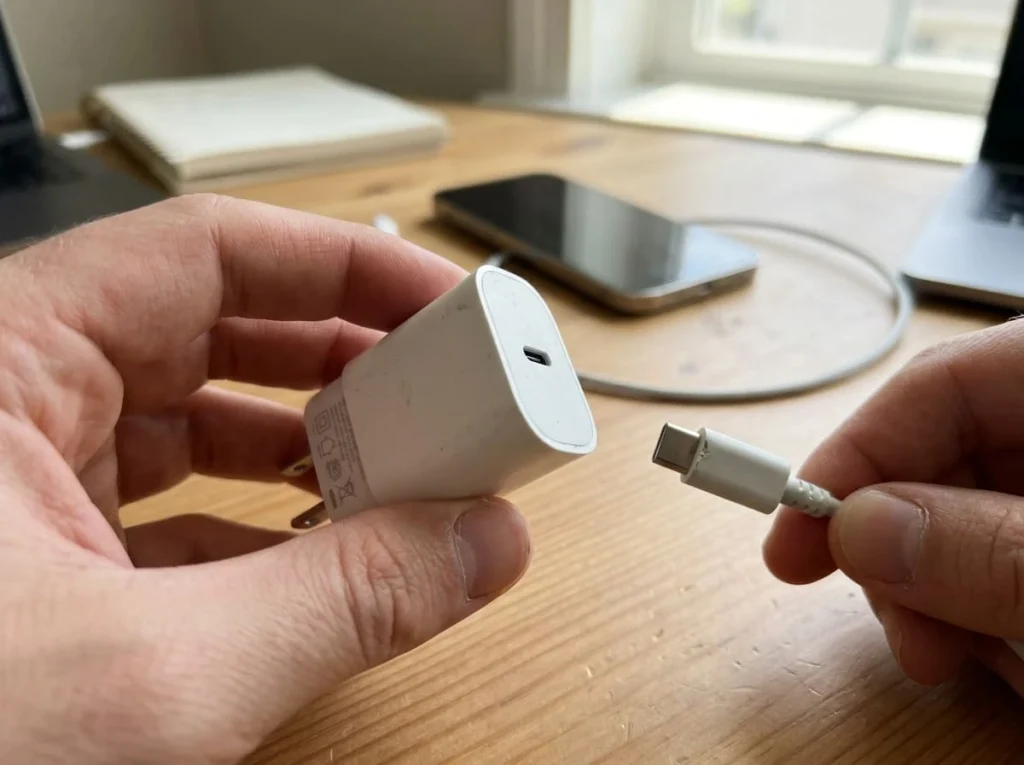
A faulty or incompatible charger can prevent your phone from charging. Before assuming that your phone is damaged, check the power adapter for visible damage, loose parts or bent plug pins
Try a compatible charger that you know works with your phone. If the phone start charging, the original adapter may be the problem. This is a commmon problem and every person face it in their life and fid the best easy solution for Why Is My Phone Not Charging and get different solutions online.
What to do:
- Check the charger for visible damage.
- Use a compatible charger from trusted manufacturer.
- Avoid damaged, loose or overheating adapters.
- Stop using a charger that produces a burning smells or unusual heat.
2.Check the Data Cable
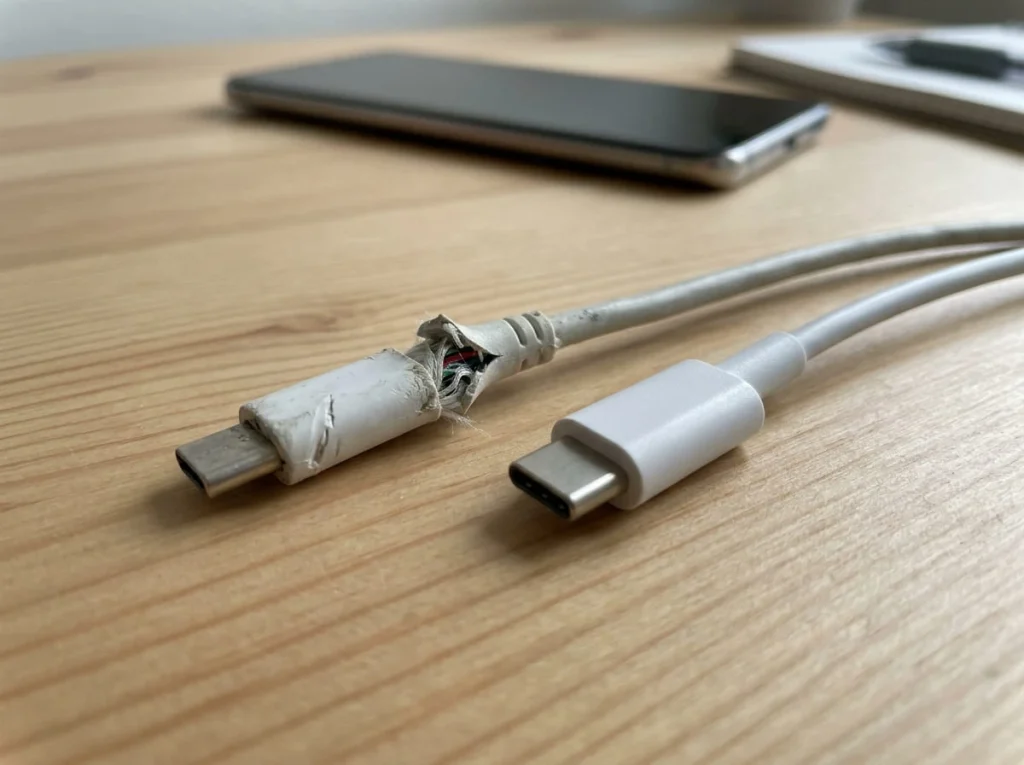
Sometimes the problem is in the data cable connected to your charger. Your charging cable may be damaged even if it looks normal from outside. A worn connector, broken wire or loose connection can interrupt charging.
Try another charging cable and connect it securely to the charger and the phone. If the phone is starts charging normally, replace the faulty cable.
Do not bend, twist or force a damaged cable to make it works. Choose a cable that supports your phone charging requirments.
3.Check the Charging Port for Dust
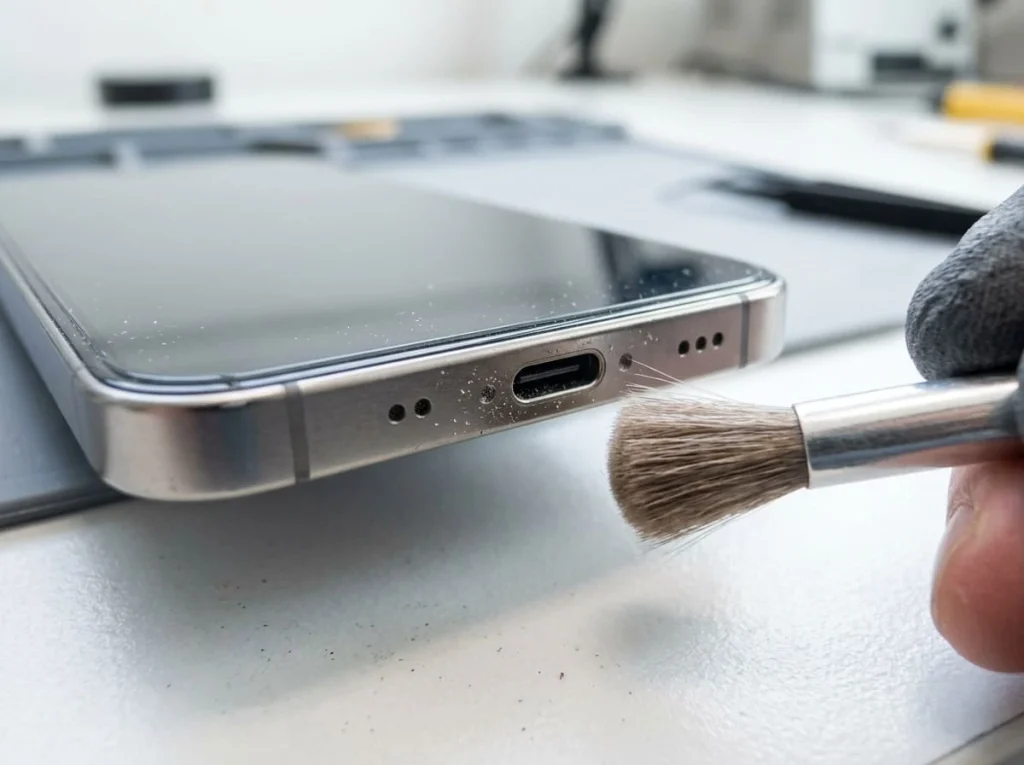
If you use your phone in a place where there’s a lot of dust, dirt can collect inside the charging port that’s your phone not charging. This dirt blocks the connection between the cable and the phone, so the phone won’t charge properly — or not at all.
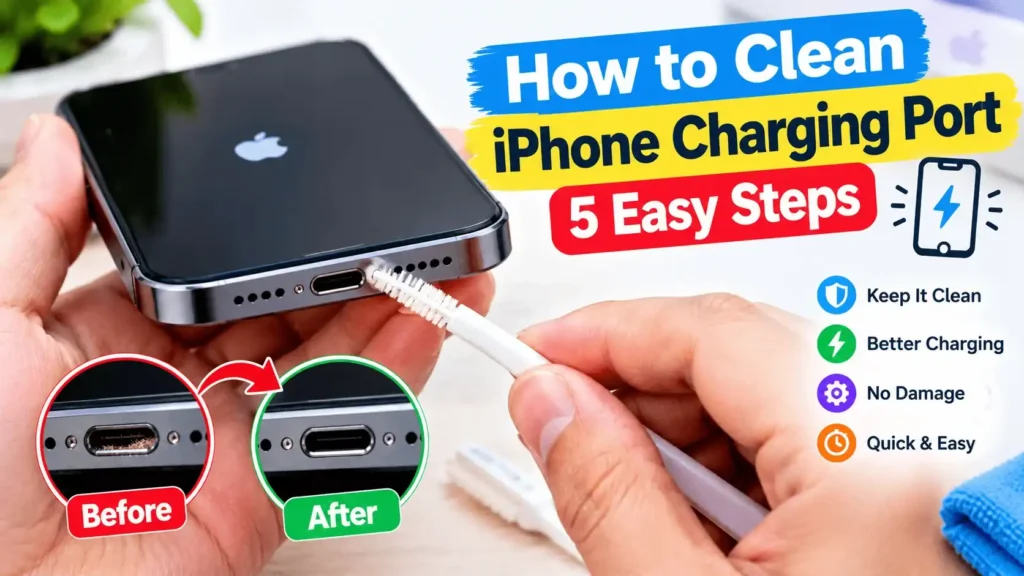
To fix this, First disconnect the charger and inspect the port under good lighting. If you see dirt, follow your phones manufacturer cleaning instruction.
Important: Do not insert metal pins or other sharp objects into the charging port. Avoid liquids and do not force a brush inside the connecter. If this dirt is stuck or the port looks damaged, ask a technician to clean it.
4.Check Battery Health
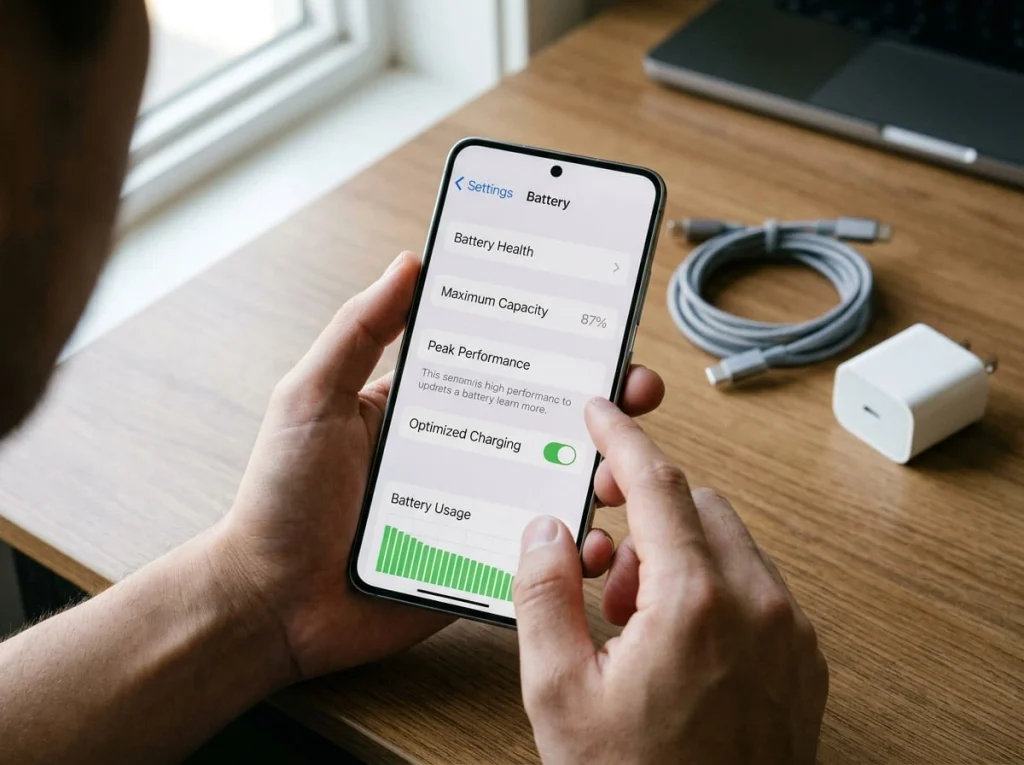
Phone batteries lose capacity as they aged and used. A worn battery may charg slowly, shutdown unexpectedly or faul to hold acharge.
On an iPhone, open settings and look for battery health and charging. The exact wording depends on your iPhone model and iOS version.
On Android phones, open settings and look for battery or battery diagnostics. Battery health information variesby manufacturer and model.
Note: If your phone repeatedly shuts down, the battery drains fast and charging problems continue, have the battery checked by an authorized service provider. Replace it only when necessary using suitable replacement battery.
5.Check the Power Source
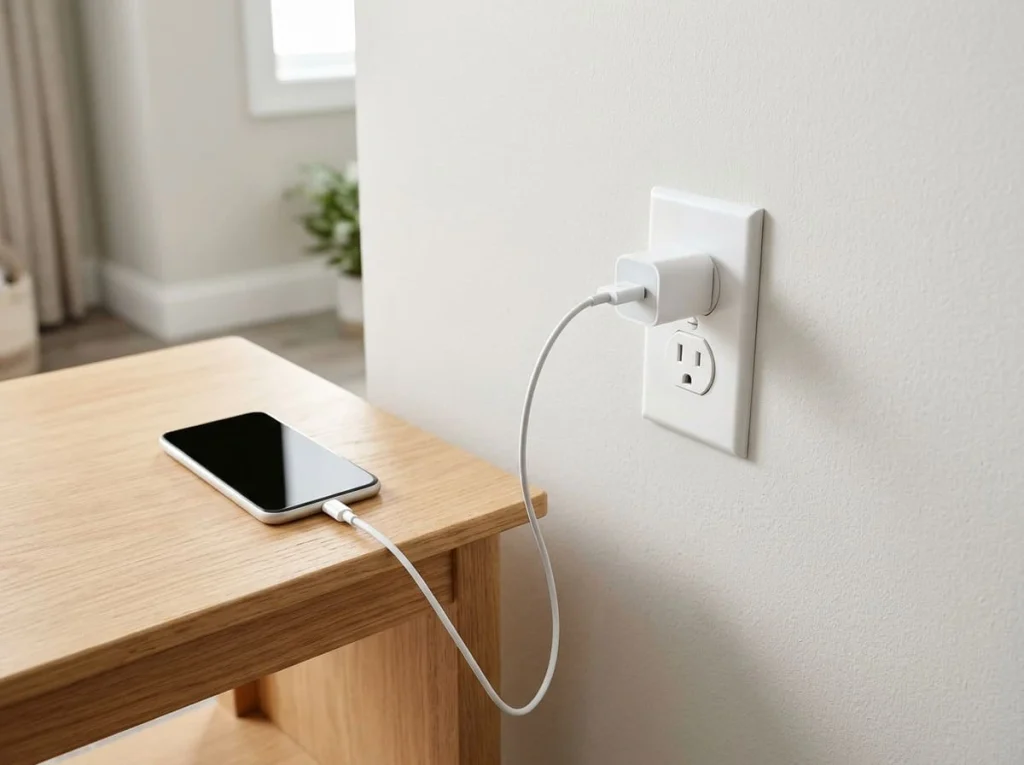
Sometimes the problem is not in the phone but in the power source. If the wall socket or extension board you are using, electricity does not reach the charger properly. So try plugging your charger in another socket and see if the phone charges or not.
6.Understand Overnight Charging

Leaving a modern phone connected to a charger overnight does not automatical means its battery will become damaged. Many phones use charging controls to manage the time spent at a full charge.
For example: Supprted iphones offer optimized battery charging and limit options. Other phones may have similar battery protection features.
However, heat can affect battery lifespan. Keep your phone on a hard surface while charging and avoid covering it with bedding and placing it somewhere that traps heat.
Tips: Follow your phone manufacturer battery case guidance. You do not need to unplug every modern phone immediately when it reaches 100% but avoid unnecessary heat and damaged charging accessories.
7.Check For Charging Port or Hardware Damage
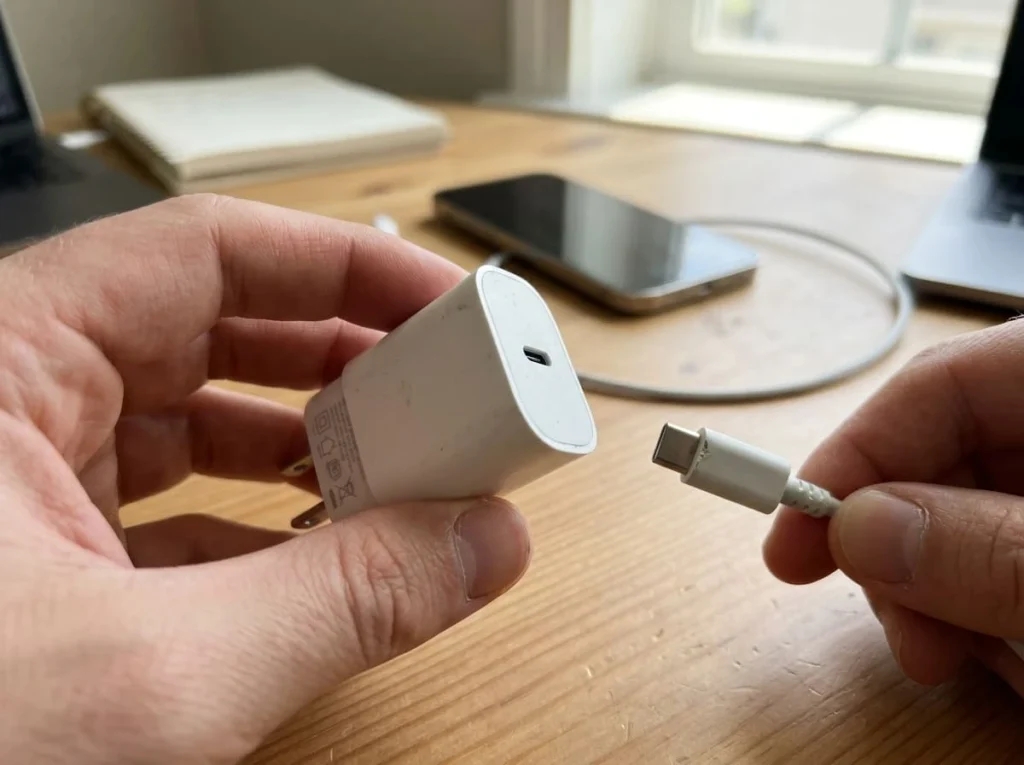
If your phone has been dropped, the charging port or any other internal compnent may have been damaged. Signs can include a loose connector, charging that stops when the cable moves, or a phone that does not respond to known-working charger.
Do not force the cable into the charging port or keep moving it to maintain a connection. This can make damage worse.
Try different compatible cable and adapter once, provided the phone is safe to charge. If the problem continues, arrange an inspection at authorized service center or a qualified repair shop.
8.Check for Water or moisture Damage
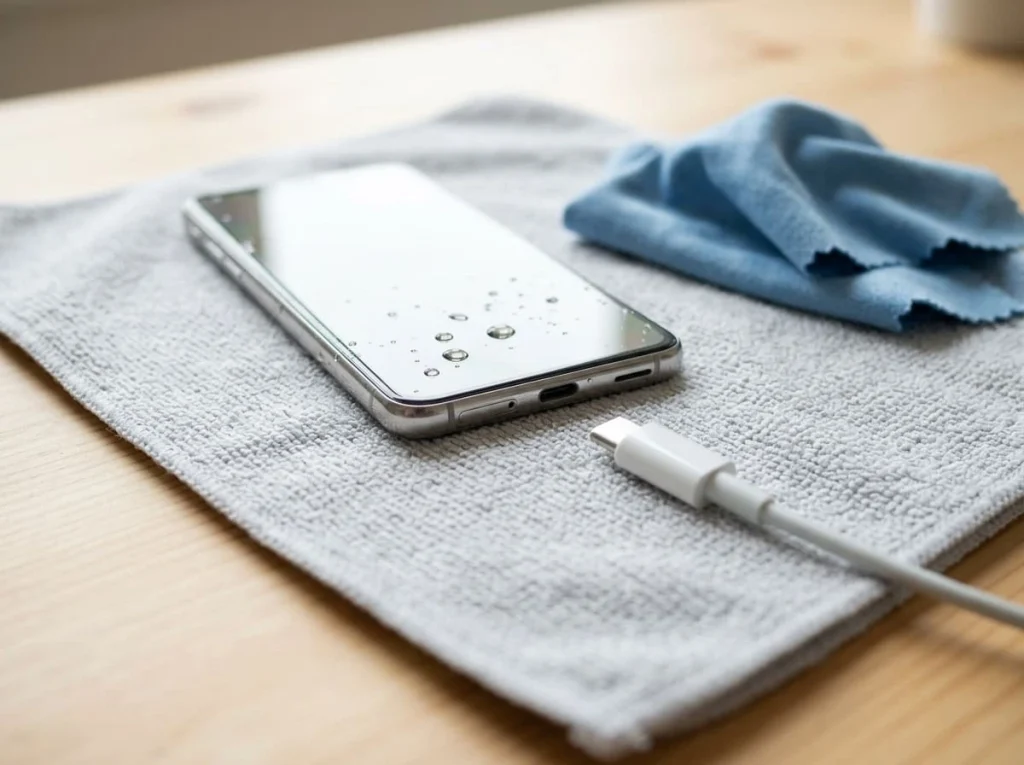
If your phone has been exposed to water, moisture may be present in the charging port or inside the device. Some phones stop wired charging when they detect moisture to reduce the risk of damage.
- Disconnect the charging cable.
- Genlty wipe the outside of the phone with a soft and dry cloth.
- Leave the phone in dry place with good airflow.
- Follow the manufacturer instruction before trying it charge again
- Use a waterproof cover in rain or other water conditions.
- Keep Your Phone away from water.
- Do not use your phone when you are in the pool.
Important Note for Why Is My Phone Not Charging: Do not use the hair dryer, direct heat or compresed air to dry the port. Do not insert tissues or cotton swabs into the connector, and do not put the phone in rice.
9. Give a Completely Drained Battery Time to Charge
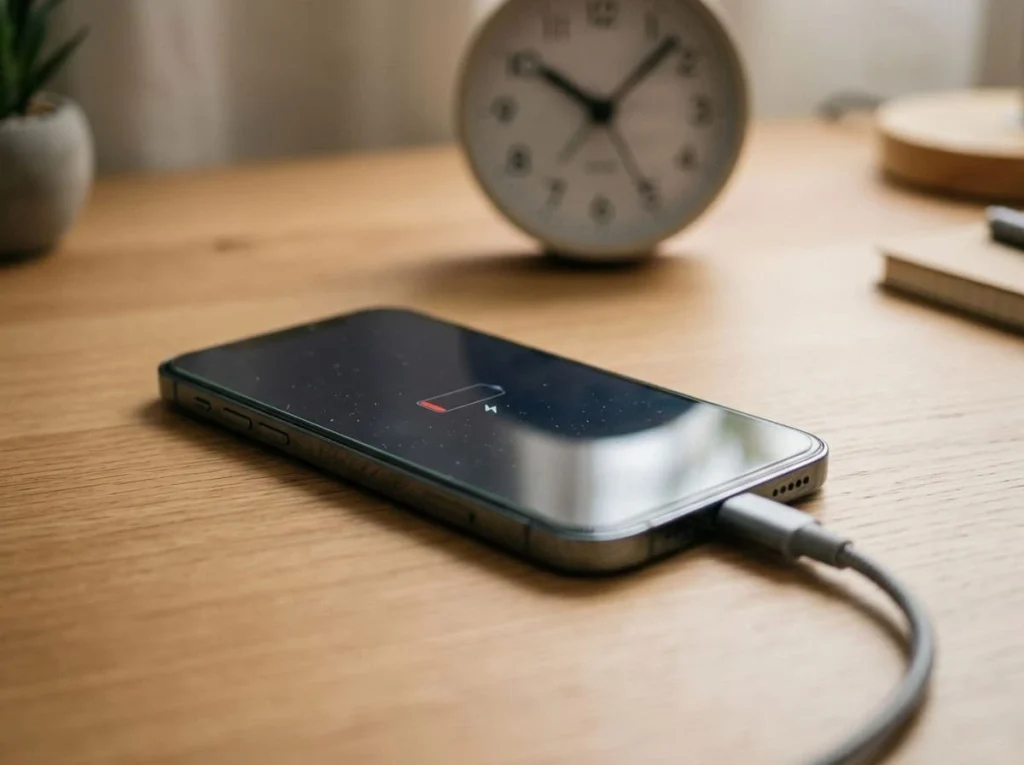
If your phone battery has completely run out, the screen may remain black when you first connect the charger. Some phones need time to receive enough power before they can turn on.
Connect the phone to a compatible charger and leave it connected for around 30 minutes, provided the device is not wet, damaged, swollen or overhaeting. Then try turning it on.
The exact charging time varies by phone and battery condition. If there is still no response, follow the manufacturer troubleshooting instruction .
Note: A phone does not need to reach 100% battery before it can turn on. It usually needs enough
10.Check the Phone’s Temperature and Charging Settings
A phone may charge slowly or temporarily stop charging when it becomes too hot ot too cold. Some Phones also limit charging to protect battery health. If your phone feels unusally warm, disconnect it if needed and let it return to a normal temperature in a cool, dry place. Keep it away from direct sunlight and other heat sources.
If charging stops around 80%, check your phone battery settings. An optimized charging feature or a selected charge limit may explain why the battery is not reaching 100%
11.Restart your Phone and Check for Software Updates
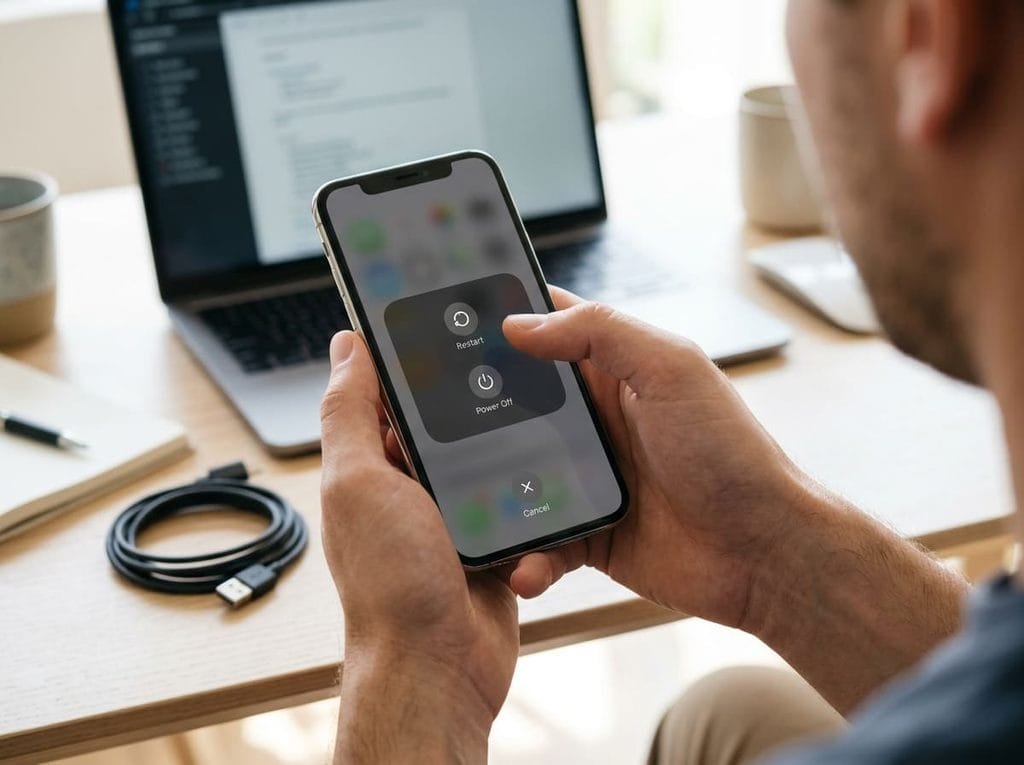
A temporary software problem may sometimes interfere with charging indicators or normal phone operation. Restarting your phone is a simple troubleshooting option.
How to restart your phone
- Close Important tasks.
- Open the power menu using power button shortcut.
- Tap restart
- After phone starts again, connect it to a compatible charger and check whter it charges.
The button combination varies by the phone. so use your phone company instructions if the normal shortcut does not work.
If charging issue continue, check for an available system updates. On many android phones, this option is under system or software update. On iPhones, open settings, then general and then software update.
Install latest updates from your phones official update settings when appropriate. An update is not guaranted to fix a charging problem, if the case is a damaged battery,cable or port.
12.Try Wireless Charging or Get Professional Help

If your phone support wireless charging, a compatible wireless charger can help you check whether the wired charging connection is the problem. Make sure the back of the phone is dry and follow the wireless charging instructions. Remove a thick case if it interferes with charging.
If wireless charging works but wired charging does not, the cable, adapter, or charging port may need further inspection. However, this test does not prove which component is faulty.
If neither methode works, or the phone still does not turn on after the recommended charging period, contact the manufacturer or an authorized repair provider. Do not open the phone or attempt to replace an internal battery without the right trainging and equipment.
If you keep using your phone continuously with heavy load for many days or weeks without restarting, it can slow down fast and develop many small issues like hanging and auto work in some apps. Restarting your phone once a week is good and helps it refresh and perform better and faster for a long life. This can also solve small charging problems and some other issues that may be caused by system errors.
Conclusion: Why Is My Phone Not Charging?
Why Is My Phone Not Charging, start with the simple checks. Test the charger and cable, try another working power socket, and inpect the charging port without inserting sharp objects.
Next, check the battery condition, phone temperature, charging settings, and software. If the phone has been eposed to water or has visible hardware damage, do not continue charging it until you have followed the manufacturer safety guidence.
If these steps do not solve the problem, a damaged battery, charging port or inernal compnent may require professional repair. Fiding the cause first can help you avoid unnecessary repairs and choose the right solution.
FAQ’s
Why is my phone not charging even when it is plugged in?
Possible causes include a faulty charger, damaged cable, blocked charging port, drained battery, software problem or hardware damage. Try a known working compatibe charger and cable, check the power socket and inspect the port safely. If the phone still does not respond, consult the manufacturer or a repair professional.
How can I fix my charging problem at home?
Try restarting your phone by pressing the power button and any other shortcut provided by your phone’s company, use a good-quality charger and cable, clean the port with a small and soft brush, and then check the power source.
Should I open my phone myself to fix it at home with zero knowledge?
No, never try it at home if you have no knowledge. It’s dangerous for your life and can damage the battery or other parts of your phone. Always take it to an authentic service center.
How do I know if the charging port is damaged or completely out of work?
If your charger, cable, and socket all work perfectly fine but the phone still doesn’t charge the and do nothing after plugged in so the port may be damaged.
Why is my phone charging slowly?
Slow charging can happen because of an incompatible charger, damaged cable, dirty port, high phone temperature, heavy usage, or battery protection settings.

Sajjad Ahmad
Author & Technology Content Creator
Technology enthusiast with 5+ years of experience exploring gadgets and helping users understand everyday tech problems.
About GadgetsArina.com
A technology-focused website providing gadget information, product comparisons, and practical troubleshooting guides.
Content Areas
Smartphones · Laptops · Headphones · Smartwatches · Tech Guides